
How to spot a fake Chanel bag
Are there many counterfeits on the market?
Stefani: Chanel is one of the most famous brands in the luxury segment, which makes it a coveted target for counterfeiters. According to Entrupy, an online service for authenticating luxury goods, Chanel is the third most counterfeited brand in terms of volume.
The industry is also now seeing the explosive growth of a phenomenon that has become known in recent years as “super fakes.” “Super fakes” are particularly high-quality counterfeits that are much more expensive to produce than ordinary counterfeits and therefore more difficult to detect. They can consist of a combination of fake and genuine materials and appear genuine at first glance. But even if they seem perfect, expert examination quickly exposes these counterfeits.
What do you pay particular attention to when evaluating a Chanel bag for auction?
Stefani: Designer authenticity is an interesting topic. Every brand has its own specifications, of course. Each individual bag undergoes a strict authenticity check consisting of seven to ten steps. To check whether a Chanel bag is suitable for auction, we pay close attention to the specific criteria for the stitching, material, and logo.
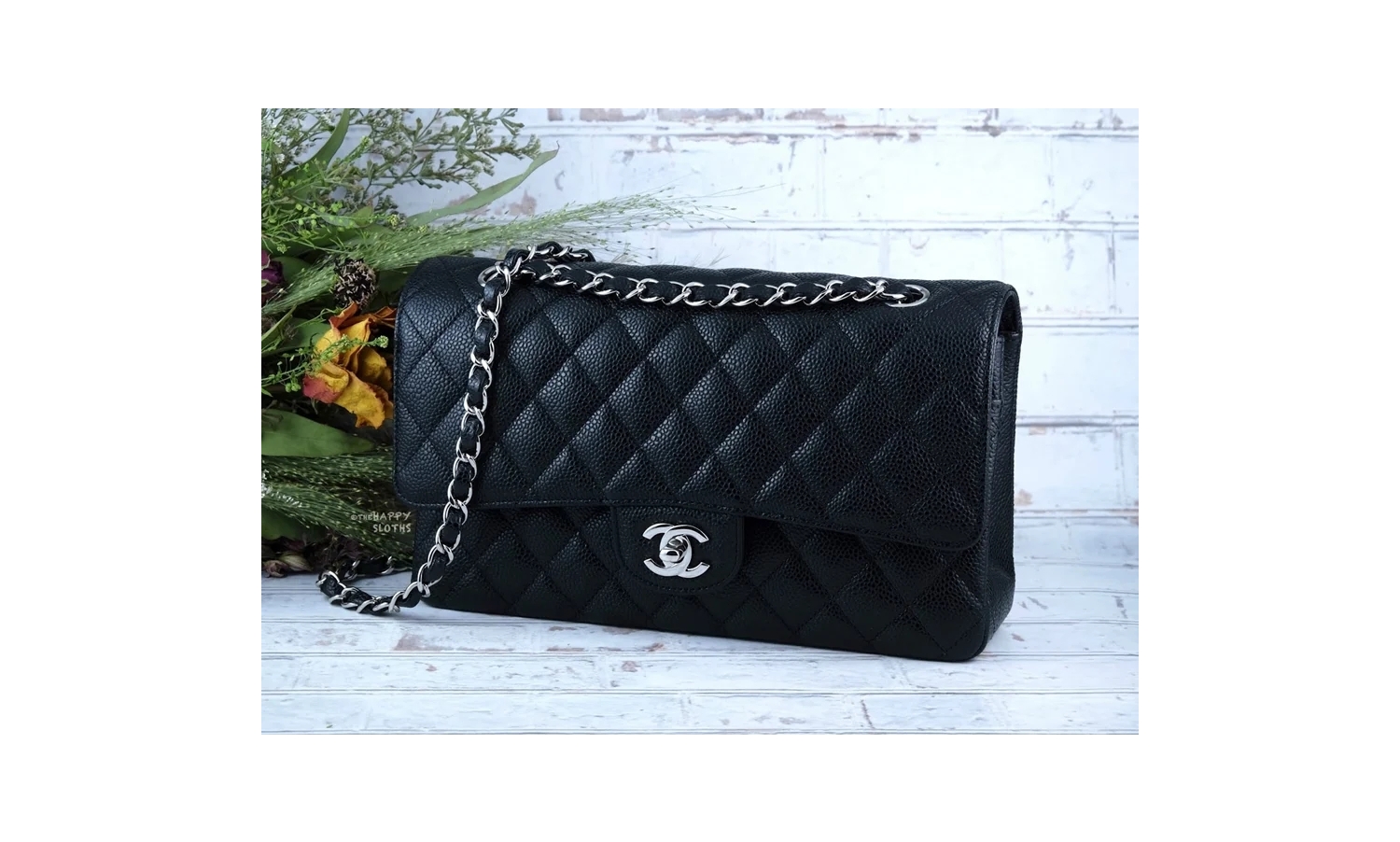
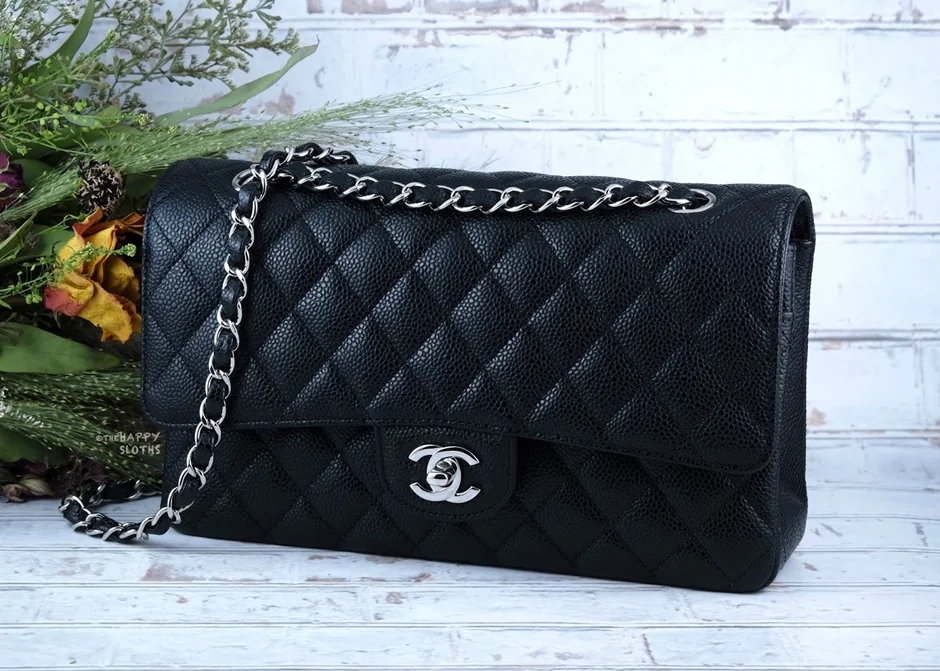
First, the stitching must be even and straight. Chanel in particular uses many stitches per centimeter to achieve and maintain the bag's special shape. For example, the diamond quilting pattern typical of Chanel has eleven stitches per side on the Chanel Timeless. Another good tip is to always check the stitching pattern on the back of the bags. The quilting is never interrupted and must form a continuous diamond pattern, even when the flap is closed.
The quality of the thread is also a good indicator when checking for authenticity. Counterfeits often use shiny, low-quality thread, and the seams look as if they are going through the material. We also check how the lining fits inside the bag. It should fit snugly and smoothly against the edges of the bag. Incorrect lining makes a bag noticeably lumpy and uneven. As for the material, Chanel always uses the highest quality leather, such as lambskin, calfskin, goatskin, and exotic skins.
What about the logo? Can you explain how to spot counterfeits?
Stefani: We look very closely at the CC logo. The right C should overlap the top and the left C should overlap the bottom. The embossed lettering should be perfectly stamped in the center of the leather tag. Many replicas have thinner or larger lettering and poorly applied lettering, so that it is on the leather rather than stamped into it.
It is important to note that the “CHANEL” lettering inside the bag should always match the color of the hardware. There should be two screws on the back of the CC lock that secure the metal tag. This tag is embossed with “CHANEL” on the left and “PARIS” on the right. And don't forget to take a close look at the screws. Chanel only uses Torx screws.
You mentioned earlier that authenticity can be determined based on seven to ten points. What else do you look for when checking a Chanel handbag?
Stefani: The zippers are also an important feature to pay attention to. We check the names of the manufacturers—names like Lampo, Riri, Opti, and Ipi—and verify that the zipper matches the year the bag was made.
As for the chain strap, we check the color and design of the chain as well as the quality of the leather braiding through the chain. With fake Chanel bags, you will usually notice lines on the surface of the chain. In addition, Chanel bags always come with a certificate of authenticity that is as thick as a credit card, perfectly printed and with gold edges. The authenticity cards in bags from 2005 onwards have a gray circle symbol in the upper right corner, and counterfeit cards often have slight colorful nuances.
Last but not least, serial numbers play an important role in checking a Chanel bag. However, these vary depending on the year of manufacture.
Can you tell us a little more about Chanel serial numbers in this context?
Stefani: Chanel began putting serial numbers on all bags in the mid-1980s. These correspond to the periods in which the bags were manufactured. The serial numbers are located on a sticker inside the bag's lining. They should match the serial number on the certificate of authenticity. But we also take a close look at the type of digits and the hologram.
Checking the serial numbers is one of the key elements of authenticity verification, as they provide information about the bag's year of manufacture. The sticker with the date, the style of the numbers, the hologram design, and the certificates of authenticity have changed over the years. It becomes more difficult if the sticker with the serial number has come off after a certain amount of time and use, or if the certificate of authenticity has been lost. But of course, this does not necessarily mean that a bag is not genuine.
What should people who want to buy a bag online and can't examine it closely pay particular attention to before making a purchase?
Stefani: Always pay attention to the overall quality and precision with which the bag was manufactured. Of course, good photos are extremely important for this, and buyers absolutely depend on them. You should take a close look at the shape of the bag, which should be straight and clearly structured, check the materials listed—to ensure that they are high-quality materials, as described above—and, if possible, see if the bag meets the authenticity criteria. If you notice any discrepancies, the bag is definitely a replica and you should steer clear of it.